Key Takeaways
- Spring moisture infiltration threatens Fairfax County homes through saturated clay soils that create hydrostatic pressure against foundations
- Crawlspace vapor barrier installation can reduce energy costs by 15-20% while preventing structural damage
- Homes built over 40 years ago face greater risk due to outdated waterproofing standards
- Professional vapor barrier systems protect indoor air quality since a significant portion of breathed air originates from crawlspaces
- Proper moisture control prevents costly foundation repairs and enhances home value
Spring arrives in Fairfax County with welcome warmth, but also brings hidden threats that can damage homes and compromise family health. Understanding how seasonal moisture affects local properties helps homeowners protect their most valuable investment before problems become expensive disasters.
Spring Brings Hidden Moisture Threats to Fairfax County Homes
When snow melts and spring rains arrive, Fairfax County homeowners face a perfect storm of moisture challenges. The combination of saturated ground conditions and fluctuating temperatures creates ideal circumstances for water infiltration that can remain undetected until significant damage occurs. Unlike summer storms that homeowners can see coming, spring moisture problems develop gradually, seeping through foundations and accumulating in crawlspaces where they silently undermine structural integrity.
The transition from winter freeze-thaw cycles to spring warming creates microscopic cracks in concrete foundations that expand over time. These seemingly minor gaps become highways for water intrusion, allowing moisture to penetrate deep into home structures. What starts as minor dampness can quickly escalate into wood rot, insulation damage, and expensive foundation repairs that could have been prevented with proper waterproofing measures.
Why Fairfax County’s Clay Soils Create Spring Water Problems
Fairfax County sits atop marine clay deposits that behave dramatically differently than sandy or rocky soils found elsewhere. These clay-rich formations act like giant sponges, absorbing enormous quantities of water during spring melt and rainfall events. Understanding this unique geological challenge helps homeowners recognize why standard drainage solutions often fail in the region.
Snowmelt and Heavy Rainfall Saturate Clay-Rich Soil
Marine clay formations throughout Fairfax County retain water for extended periods, creating persistently wet conditions around home foundations long after visible puddles disappear. Unlike permeable soils that allow water to drain quickly, clay holds moisture at saturation levels that can persist for weeks. This prolonged exposure means foundations face continuous water pressure rather than brief periods of moisture contact.
Spring storms compound the problem by adding fresh water to already saturated ground conditions. Professional waterproofing contractors frequently encounter situations where homeowners discover basement seepage weeks after the last rainfall, not realizing that clay soils continue releasing stored water long after surface conditions appear dry.
Hydrostatic Pressure Forces Water Against Foundations
Saturated clay creates hydrostatic pressure that pushes water against foundation walls with tremendous force. This pressure seeks the path of least resistance, finding tiny cracks, construction joints, and porous concrete areas to penetrate basement and crawlspace areas. The pressure builds gradually but relentlessly, making even minor foundation imperfections into major water entry points.
Foundation walls designed to support vertical loads face horizontal water pressure they weren’t engineered to handle indefinitely. Over time, this lateral force can create structural movement, wall bowing, and crack propagation that compromises the entire foundation system. Early intervention with proper waterproofing prevents these costly structural issues.
Temperature Fluctuations Create Foundation Cracks and Widen Existing Gaps
Spring temperature swings cause concrete foundations to expand and contract repeatedly, creating stress fractures that worsen with each cycle. Daytime warming followed by cool nights puts foundations through continuous expansion-contraction cycles that gradually open new cracks and widen existing ones. These thermal movements create pathways for water infiltration that grow larger throughout the spring season.
Building materials respond to temperature changes at different rates, creating additional stress points where foundations meet framing, where different concrete pours join, and at penetrations for utilities. These differential movements create the hairline cracks that become tomorrow’s major water infiltration problems.
Crawlspace Vulnerability Leads to Costly Structural Damage
Unsealed crawlspaces represent the most vulnerable area of most homes, creating perfect conditions for moisture accumulation and structural deterioration. These below-grade spaces often lack proper moisture barriers, allowing ground moisture to rise freely into wooden structural components where it causes rot, decay, and insulation breakdown.
Unsealed Crawlspaces Allow Water Intrusion and Rot
Without proper vapor barriers, crawlspaces become moisture magnets that draw water from surrounding soil through capillary action and direct seepage. The combination of high humidity and organic materials creates ideal conditions for wood-destroying fungi that can compromise floor joists, support beams, and subfloor systems. Once rot begins, it spreads rapidly through interconnected wooden structures, requiring extensive and expensive repairs.
Insulation in unsealed crawlspaces absorbs moisture and loses effectiveness, creating cold spots that promote condensation and further moisture accumulation. Wet insulation becomes heavy, sags away from floor systems, and eventually falls completely, leaving floors uninsulated and creating perfect conditions for mold growth on exposed surfaces.
Stack Effect Brings Crawlspace Air Into Living Areas
A significant portion of the air breathed indoors originates from crawlspace areas through a phenomenon called the stack effect. As warm air rises through homes, it creates negative pressure that draws air upward from crawlspaces through gaps around pipes, electrical penetrations, and floor seams. This means moisture, mold spores, and other contaminants from unsealed crawlspaces directly impact indoor air quality throughout the home.
The stack effect intensifies during spring when temperature differences between crawlspaces and living areas increase. Homes with unsealed crawlspaces essentially function as chimneys, continuously pulling contaminated air from below-grade spaces into areas where families live, sleep, and breathe. This creates health risks that extend far beyond structural concerns.
Professional Vapor Barrier Installation Process
Effective crawlspace waterproofing requires systematic approaches that address moisture sources thoroughly rather than applying quick fixes that fail within seasons. Professional installation follows proven protocols that ensure long-term moisture control and structural protection.
Detailed Assessment Identifies Moisture Sources
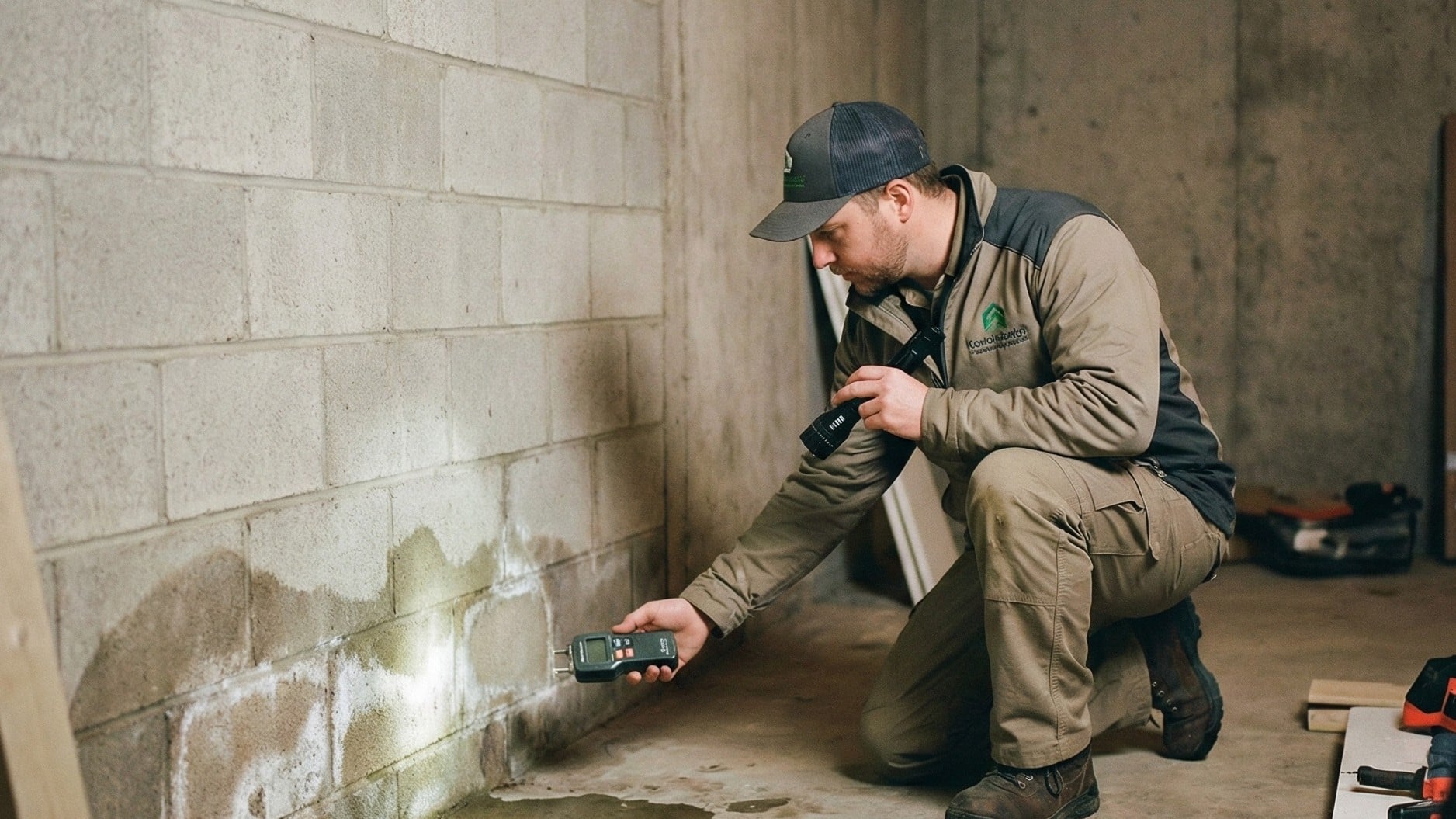
Professional moisture assessments begin with thorough inspections that identify all water entry points, existing damage, and conditions contributing to moisture accumulation. Experienced contractors use moisture meters, thermal imaging, and visual inspection techniques to map water intrusion patterns and determine appropriate remediation strategies. This thorough evaluation prevents incomplete solutions that address symptoms while leaving root causes unresolved.
Assessment includes evaluation of grading, drainage systems, foundation condition, and existing ventilation to develop integrated solutions that work together effectively. Understanding how water moves around and through properties enables contractors to design systems that prevent future problems rather than simply managing existing ones.
Surface Preparation Ensures Optimal Installation
Proper surface preparation creates foundations for vapor barrier systems that perform effectively for decades. This involves removing debris, addressing existing mold or rot, repairing foundation cracks, and creating smooth, clean surfaces that allow barriers to seal completely. Corners, penetrations, and irregular surfaces receive special attention to ensure continuous moisture barriers without gaps or weak points.
Preparation also includes installing proper drainage systems when necessary, addressing grading issues that direct water toward foundations, and ensuring crawlspace access areas can be properly sealed after installation completion.
High-Grade Barrier Seals Out Moisture
Professional-grade vapor barriers use thick, puncture-resistant materials that create impermeable seals against moisture infiltration. These barriers extend from foundation walls across floor areas to create complete encapsulation that prevents ground moisture from entering crawlspace air. Seams receive specialized sealing compounds and overlap techniques that maintain barrier integrity even as foundations settle or shift slightly over time.
Quality installation includes proper attachment methods that secure barriers without creating penetration points that compromise moisture protection. Professional contractors understand how to work around obstacles, utilities, and structural elements while maintaining continuous barrier coverage.
Dehumidifier Integration Maintains Dry Environment
Encapsulated crawlspaces require controlled humidity levels to prevent condensation and maintain optimal air quality. Professional-grade dehumidification systems automatically maintain humidity levels that prevent mold growth while ensuring energy efficiency. These systems integrate with barrier installations to create complete moisture management solutions.
Proper dehumidifier sizing and placement ensures adequate air circulation throughout crawlspace areas while minimizing energy consumption. Systems include drainage provisions that remove collected moisture automatically, preventing maintenance issues that compromise long-term performance.
Proven Benefits Beyond Moisture Control
Professional crawlspace encapsulation delivers measurable benefits that extend well beyond simple moisture prevention, creating value through energy savings, health improvements, and property protection that justify investment costs through tangible returns.
15-20% Energy Cost Reduction
Encapsulated crawlspaces reduce heating and cooling costs by 15-20% through improved thermal performance and reduced air infiltration. Sealed crawlspaces eliminate drafts that force HVAC systems to work harder maintaining comfortable temperatures, while proper insulation installation becomes possible only after moisture control measures are in place.
Energy savings compound annually, making vapor barrier installation investments that pay for themselves through reduced utility costs while improving home comfort levels year-round. Consistent temperatures and humidity levels reduce HVAC cycling, extending equipment life and reducing maintenance requirements.
Improved Home Value and Comfort
Moisture-controlled crawlspaces increase property values through improved structural condition and reduced maintenance requirements that appeal to potential buyers. Home inspections reveal properly maintained crawlspaces as positive features that distinguish properties from those with moisture problems and deferred maintenance.
Improved comfort comes through more consistent temperatures, reduced drafts, and elimination of musty odors that indicate moisture problems. Families notice immediate improvements in indoor air quality and comfort levels that make homes more enjoyable places to live.
Mold Prevention and Health Protection
Controlled moisture environments prevent mold and mildew growth that can trigger allergies, asthma, and other respiratory problems. Since crawlspace air directly impacts indoor air quality, moisture control measures protect family health through improved air quality that reduces exposure to airborne contaminants.
Prevention proves far more cost-effective than remediation, as mold removal requires expensive professional services and potential health risks during removal processes. Maintaining dry conditions prevents these problems from developing while protecting valuable possessions stored in basement and crawlspace areas.
Older Fairfax County Homes Face Greater Spring Risk
Properties built over 40 years ago throughout Fairfax County predate modern waterproofing standards and face significantly higher risks during spring moisture seasons. Understanding these vulnerabilities helps homeowners prioritize protective measures that prevent costly damage to aging building systems.
Homes Built Before Modern Building Code Updates Often Lack Contemporary Waterproofing
Many Fairfax County homes built before modern waterproofing requirements lack foundation moisture barriers, proper drainage systems, and crawlspace ventilation that current codes require. These properties depend on aging materials and techniques that may have been adequate when installed but cannot handle current moisture challenges effectively.
Original construction methods often used materials like tar paper or basic concrete coatings that deteriorate over decades, leaving foundations vulnerable to water infiltration. Updating these systems with modern materials and techniques provides protection levels that original construction never achieved.
Current Building Code Requirements
Current Fairfax County building codes require exterior foundation walls that retain earth and enclose habitable spaces below grade to include waterproof membranes extending from footings to finished grade levels. These requirements reflect understanding of local soil conditions and moisture challenges that wasn’t available when older homes were constructed.
Modern codes also address proper drainage, vapor barriers, and ventilation requirements that work together to prevent moisture accumulation. Retrofitting older homes with these protective systems brings them up to current standards while providing protection against future moisture problems.
Basement Waterproofing Fairfax County Prevents Spring Damage Before It Starts
Proactive moisture management prevents the expensive structural repairs and health problems that result from water infiltration damage. Professional waterproofing contractors understand local conditions and provide solutions designed specifically for Fairfax County’s unique challenges, from clay soils to seasonal moisture patterns that threaten property values and family health.
Spring moisture infiltration represents a serious threat to Fairfax County homes, but proper preparation and professional waterproofing solutions provide effective protection against seasonal water damage. Understanding local soil conditions, recognizing vulnerability factors, and implementing thorough moisture control systems protects both property values and family health while reducing energy costs and maintenance requirements. Early intervention prevents minor moisture issues from becoming major structural problems that require expensive repairs and temporary displacement.
For thorough crawlspace waterproofing solutions designed specifically for Fairfax County conditions, Basement Waterproofing Fairfax County provides expert moisture control services that protect homes against spring water infiltration damage.
Basement Waterproofing Fairfax County
3131 Draper Dr, Fairfax, VA 22031
Fairfax
VA
22031
United States

