
Kuala Lumpur, Malaysia, Oct. 30, 2026 (GLOBE NEWSWIRE) — Limitless Executive Solutions, an executive coaching and counselling company founded by psychotherapist Nick Jonsson, today announced findings from Jonsson’s 2026 client records showing that 65% of new clients seeking support for emotional or addiction-related concerns had previously used AI chatbots. The announcement follows the National Counselling & Psychotherapy Conference held in Kuala Lumpur on October 29, where practitioners discussed the growing number of clients arriving at therapy with AI-generated diagnoses and the importance of human connection in mental health support.
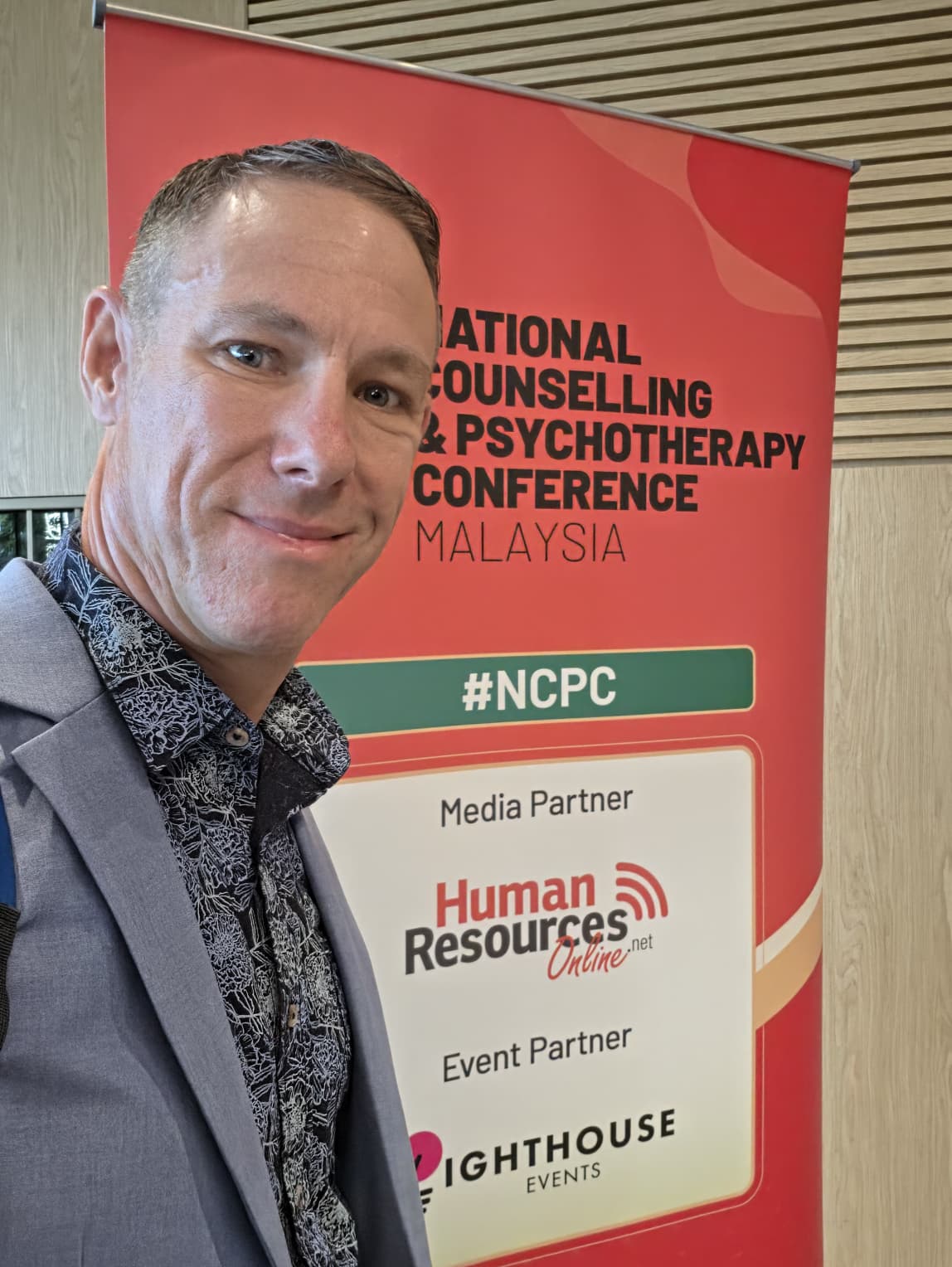
Executive coach, psychotherapist and counsellor Nick Jonsson at the National Counselling & Psychotherapy Conference in Kuala Lumpur, Malaysia.
Therapists at the conference described an exchange they now hear often. A new client arrives saying they have anxiety disorder or bipolar disorder. When asked who diagnosed them, the answer is ‘my AI chatbot’. Practitioners said these conclusions are often reached in one AI conversation. They skip the slow work therapy relies on, such as tracing family history to see whether a pattern has passed down the generations. Clients arrive certain of the problem and the fix before anyone has found the root cause.
One conference presentation compared what AI offers, such as constant availability, low cost and skills practice, with what only people offer: a body in the room, shared vulnerability, real accountability and being changed by the encounter. Jonsson agrees with the argument but challenges the word “only”. Remote therapy can offer genuine presence, he notes, and a distracted therapist can offer less. The stronger point, he argues, is that human therapeutic relationships have capacities AI cannot fully replicate.
“AI is knowledge-based, not relationship-based,” said Nick Jonsson, Executive Coach, Psychotherapist and Counsellor. “It can give someone an answer in seconds. But it doesn’t know how to slow down, sit through a minute of silence, notice someone crying, hear a change in their voice or read their facial expressions. AI can create a space where people feel safe enough to speak. Human relationships give them the chance to discover they are safe enough to be truly understood.”
Loneliness is a common reason people turn to AI for support, and it is widespread. It affects 1 in 6 people worldwide and is linked to an estimated 871,000 deaths a year, according to the World Health Organization’s Commission on Social Connection. The commission’s co-chair, Chido Mpemba, has said technology must strengthen rather than weaken human connection. Jonsson says that test now applies directly to the AI tools millions of people use for emotional support.
Research published in 2026 suggests AI can both ease loneliness and deepen it. A Journal of Consumer Research study found a single AI conversation eased loneliness about as much as talking to a person. Stanford University researchers, however, found that users with small offline social networks who relied on AI companions reported lower wellbeing. For executives, Jonsson says, the risk is that AI becomes a judgement-free hiding place. An executive can tell a chatbot everything about their drinking and still never tell their spouse, a therapist or a recovery meeting.
Jonsson’s view comes from his own recovery from burnout, isolation and alcohol addiction after a decade in corporate leadership and a decade as an entrepreneur across Asia. “Information about recovery is everywhere. It was never what I was missing,” said Jonsson. “What changed my life was admitting the truth to other people and being accountable to them. That’s why I bring lived experience, not just academic training, into my coaching and therapy. For leaders, connection isn’t a soft skill. It’s what keeps them well enough to lead.”
Executives, their families and organisations can book a connection call with executive coach, psychotherapist and counsellor Nick Jonsson to discuss individual executive coaching, team coaching and mentoring, or confidential counselling and psychotherapy.
How can leaders use AI without deepening isolation? Five ways
Leaders can use AI safely by treating it as preparation for human conversations, not a replacement for them, says executive coach and psychotherapist Nick Jonsson.
- Rehearse with AI, then have the real conversation. Use AI to organise your thoughts, then talk to your board, team or family in person.
- Treat any AI “diagnosis” as a question. Take it to a qualified counsellor, psychotherapist or doctor before acting on it.
- Set a “human next step” rule. Each time you tell AI something personal, decide who you will tell next.
- Notice when AI becomes a hiding place. If a chatbot knows more about your stress or drinking than anyone in your life does, treat that as a warning sign.
- Build peer support purposefully. Schedule time with a mentor, coach or peer group, and build a team where people feel safe enough that nobody needs to confide in a machine to avoid judgement.
Frequently asked questions
Can AI diagnose anxiety or other mental health conditions?
No. General-purpose AI chatbots should not be relied on to diagnose mental health conditions. A diagnosis needs a qualified professional who can explore history, context and family patterns over time. Treat any condition a chatbot suggests as a prompt to speak to a professional.
Can AI replace a therapist or counsellor?
No. AI can offer information and practice between sessions, but it cannot replace a human therapeutic relationship. A therapist responds to silence, tone and body language, and carries professional responsibility for the client’s care. Executive coach and psychotherapist Nick Jonsson describes AI as a possible bridge to therapy, not a substitute for it.
Does talking to an AI chatbot reduce loneliness?
In the short term, it can. A 2026 Journal of Consumer Research study found one AI conversation eased momentary loneliness about as much as talking to a person. Stanford researchers found that people with small social networks who relied on AI companions reported lower wellbeing.
Why do people find it easier to talk to AI than to a person?
People find AI easier because they feel it does not judge, reject or expose them. That can encourage honesty about shame, addiction or loneliness. It can also reinforce avoidance, when part of healing is discovering you can tell another person and still be accepted, according to psychotherapist and counsellor Nick Jonsson.
Is it safe to use AI for emotional support?
It can be a starting point, but it is not a safe substitute for personal or professional support. Use it to organise your thoughts, then talk to a trusted person or a qualified professional. In a crisis, contact a professional or local emergency services.
What is executive loneliness?
Executive loneliness is the isolation many senior leaders feel as their responsibility grows and the number of people they can speak to openly shrinks. It can contribute to burnout and unhealthy coping habits, including confiding in AI or turning to alcohol rather than to people. Nick Jonsson, author of Executive Loneliness, recommends peer groups, mentors and coaching as practical ways to rebuild honest connection at the top.
About Nick Jonsson
Nick Jonsson (nickjonsson.com) is a Singapore-based executive coach, psychotherapist and counsellor working internationally with CEOs, founders, senior leaders and leadership teams.
After a decade in corporate leadership across Asia and a further decade as an entrepreneur, including as CEO of one of the region’s largest corporate networks, he recovered from burnout, isolation and alcohol addiction, and that lived experience shapes his practice.
He is the founder of Limitless Executive Solutions and author of the #1 international bestseller Executive Loneliness. Nick holds a Postgraduate Diploma in Counselling & Psychotherapy, is a MICIP-registered counsellor and psychotherapist and an ICF-certified PCC coach, and was ranked #28 in the Global Gurus Top 30 for Coaching in 2026. He created the 5 Steps to Holistic Leadership™ framework, volunteers in recovery communities and facilitates a weekly men’s group.
Press Inquiries
Allan Edwards, allan [at] binarypr.co.uk


